The Tensegrity Technique
A practical approach to understanding how your body organizes support, movement, and balance.
Your body is not simply a collection of separate parts.
It is a connected structure — a living system constantly organizing tension, weight, movement, and support.
The Tensegrity Technique is a way of learning how that structure works.
Not by forcing posture.
Not by memorizing anatomy.
But by understanding how support distributes through the body during everyday life.
Walking.
Standing.
Sitting.
Breathing.
Reaching.
Resting.
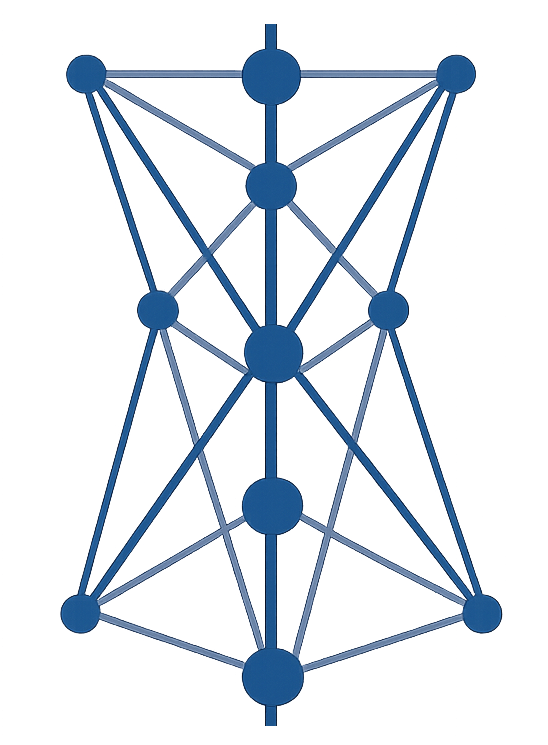
The Structural Idea Behind the Technique
Our body is not static.
It is a dynamic, three-dimensional structure constantly organizing force through movement, balance, breath, and gravity.
When support distributes well, the body tends to feel:
lighter
more balanced
more coordinated
less compressed by gravity
When support becomes disorganized, certain areas begin carrying more than they should:
the neck tightens
the lower back compresses
knees absorb excess force
shoulders become overworked
movement feels heavier over time
The Tensegrity Technique studies the patterns behind those changes — how the body adapts, compensates, and gradually reshapes itself according to how support is organized throughout the structure.
What “Tensegrity” Means
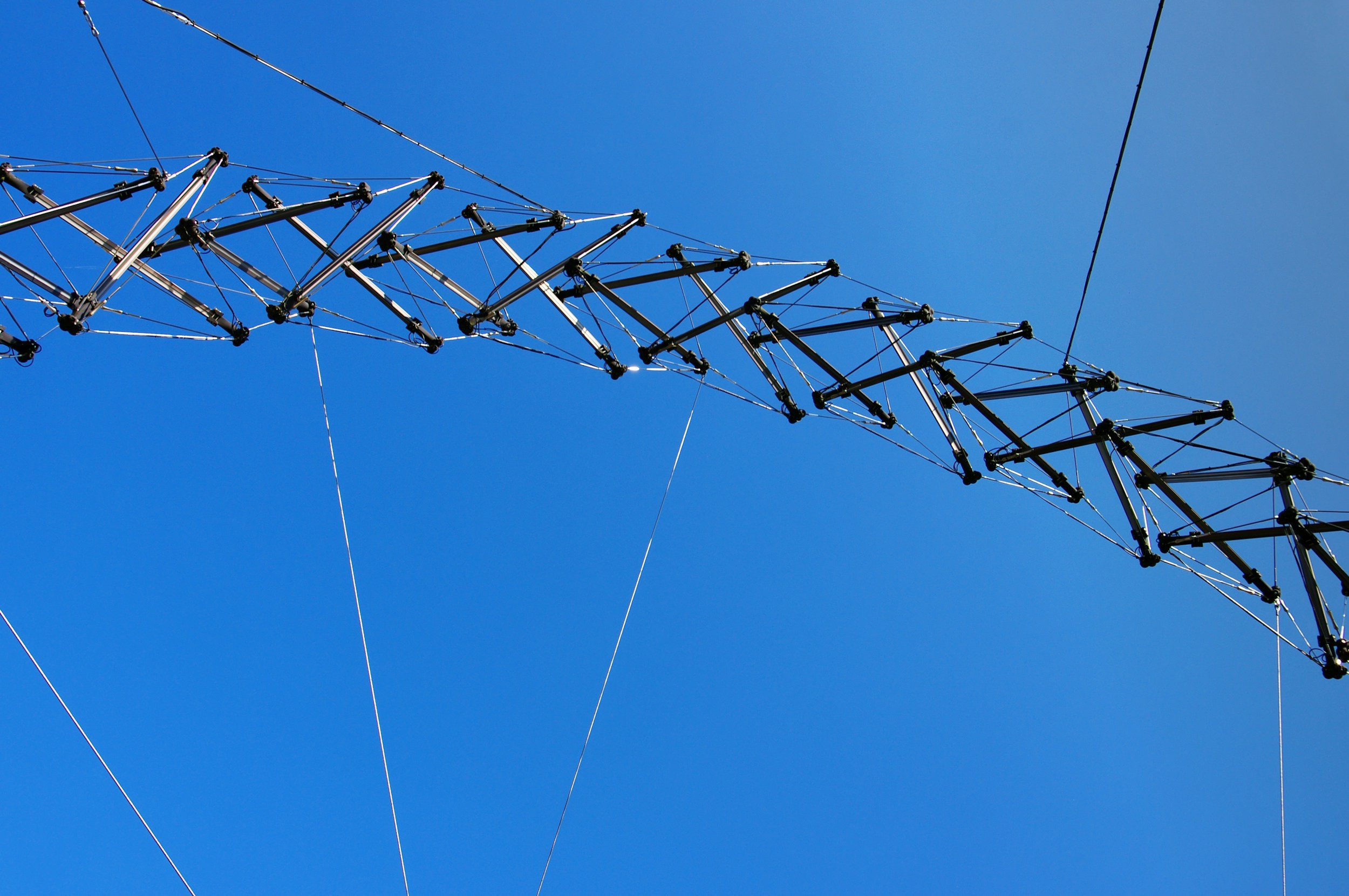
“Tensegrity” is an engineering principle describing structures that stabilize themselves through balanced tension and compression.
A suspension bridge is a useful example:
towers provide structure
cables distribute force
anchors stabilize the system
the bridge remains flexible without collapsing
No single cable carries the entire load.
Support is shared throughout the structure.
The body works similarly.
Bones provide shape, but organized tension is what creates living support.
Dynamic Support Instead of Rigid Posture
The Tensegrity Technique focuses on developing organized tension — a coordinated relationship between stabilizing muscles, joints, breath, and skeletal alignment.
When this organization improves:
the spine can lengthen instead of compress
joints move with less strain
the body becomes more responsive
movement feels more connected
Support begins to feel less like effort and more like suspension.
The Role of Stabilizers
A central principle of the technique is:
Stabilizers organize movement before movement happens.
Deep stabilizing muscles help position and support the structure before larger muscles generate force.
When stabilizers stop coordinating well, the body often compensates:
surface muscles grip excessively
joints begin carrying more load
posture becomes harder to maintain
movement loses efficiency
The technique teaches how to recognize and rebuild these deeper support relationships.
The Diaphragm and Internal Lift
Within the Tensegrity Technique, the diaphragm is treated as part of a broader internal support system connected to the spine, rib cage, pelvis, and deep core.
This internal support network functions like a series of lift pillars through the center of the body — including the pelvic floor, diaphragm, throat diaphragm, and palate — helping organize vertical support, pressure, balance, and coordinated tension from within.
As these inner relationships begin working together:
the torso gains vertical support
breathing becomes less compressed
the spine suspends more naturally
weight distributes more centrally through the body
movement feels lighter and more connected
Rather than “holding yourself up,” the body begins generating support from within.
The Four Core Principles
Tension Is Support
The body relies on organized directional tension for support — not stiffness alone.
Stabilizers First
Deep stabilizing muscles prepare the structure before movement occurs.
Joint-Centric Alignment
The position and orientation of joints influence how force distributes through the whole body.
Muscle Memory Can Change
Movement patterns can be retrained through awareness, repetition, and coordinated practice.
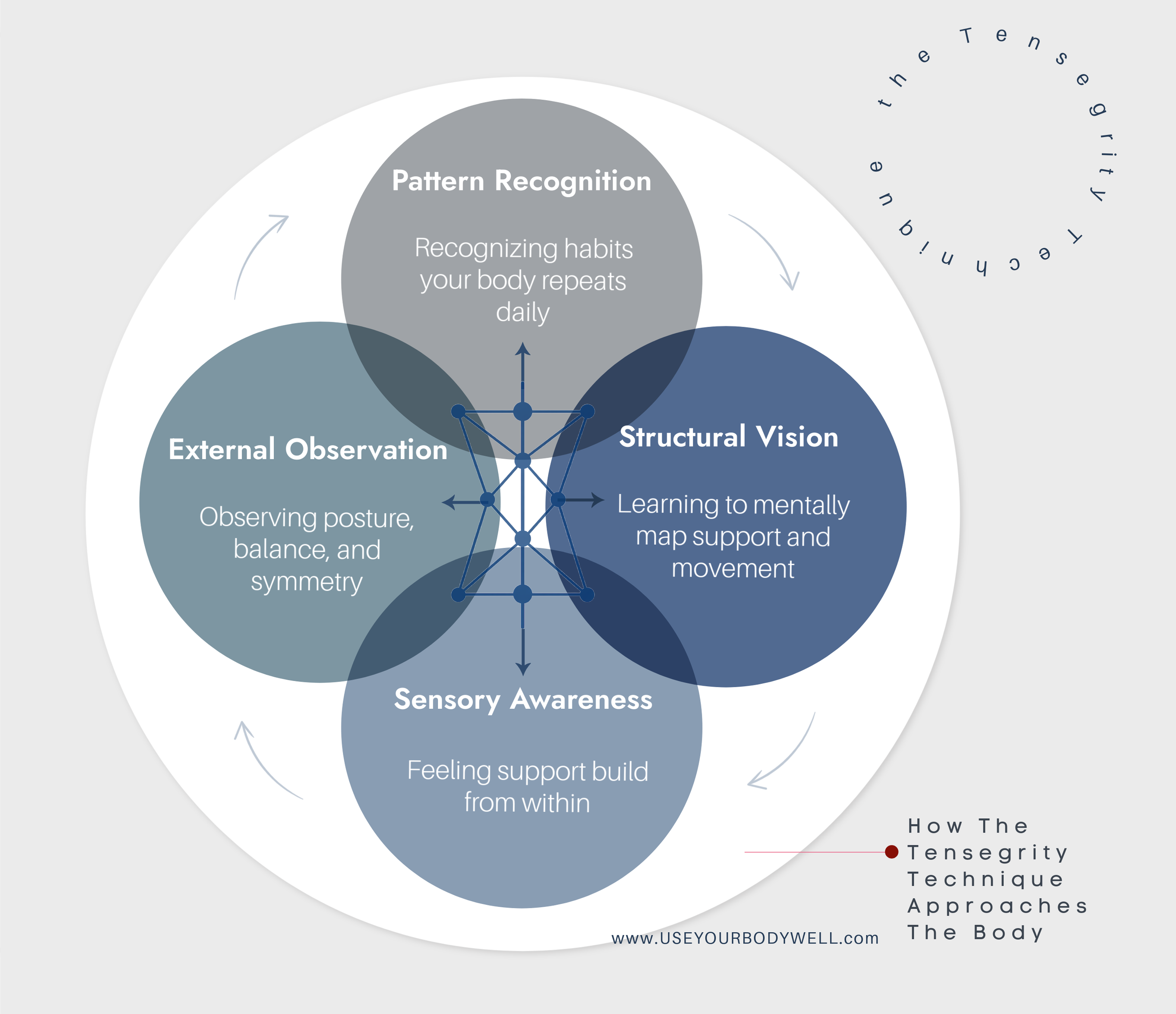
How the Tensegrity Technique Approaches the Body
The technique is not based on exercise alone.
It combines observation, awareness, visualization, and movement into a practical process of understanding how support organizes through the body.
Pattern Recognition
Learning to recognize the habits and compensation patterns the body repeats daily.
External Observation
Observing posture, balance, symmetry, movement patterns, and how the body organizes itself externally.
Structural Vision
Developing the ability to mentally map support, joint relationships, movement pathways, and directional tension through the structure.
Sensory Awareness
Learning to feel support organize from within rather than relying only on visual appearance.
Together, these develop what could be called structural literacy — the ability to understand how your body organizes force and support as a connected system.
A Practical Learning Process
This work is not about achieving perfect posture.
It is about learning how your body functions as a connected system.
Through guided awareness, movement, and repetition, the technique helps people explore:
how they stand
how they walk
how they sit
how they breathe
how they distribute weight
how they unconsciously compensate
Small changes in organization can create meaningful changes in how the body feels and moves.
The goal is not rigidity.
The goal is a body that can support itself more intelligently, efficiently, and comfortably over time.
Start with one Session
This is a chance to experience the work directly.
You’ll begin to recognize your patterns,
feel how your structure changes,
and learn how to build support in a way that carries into your daily life.